History
The History of Ranger College
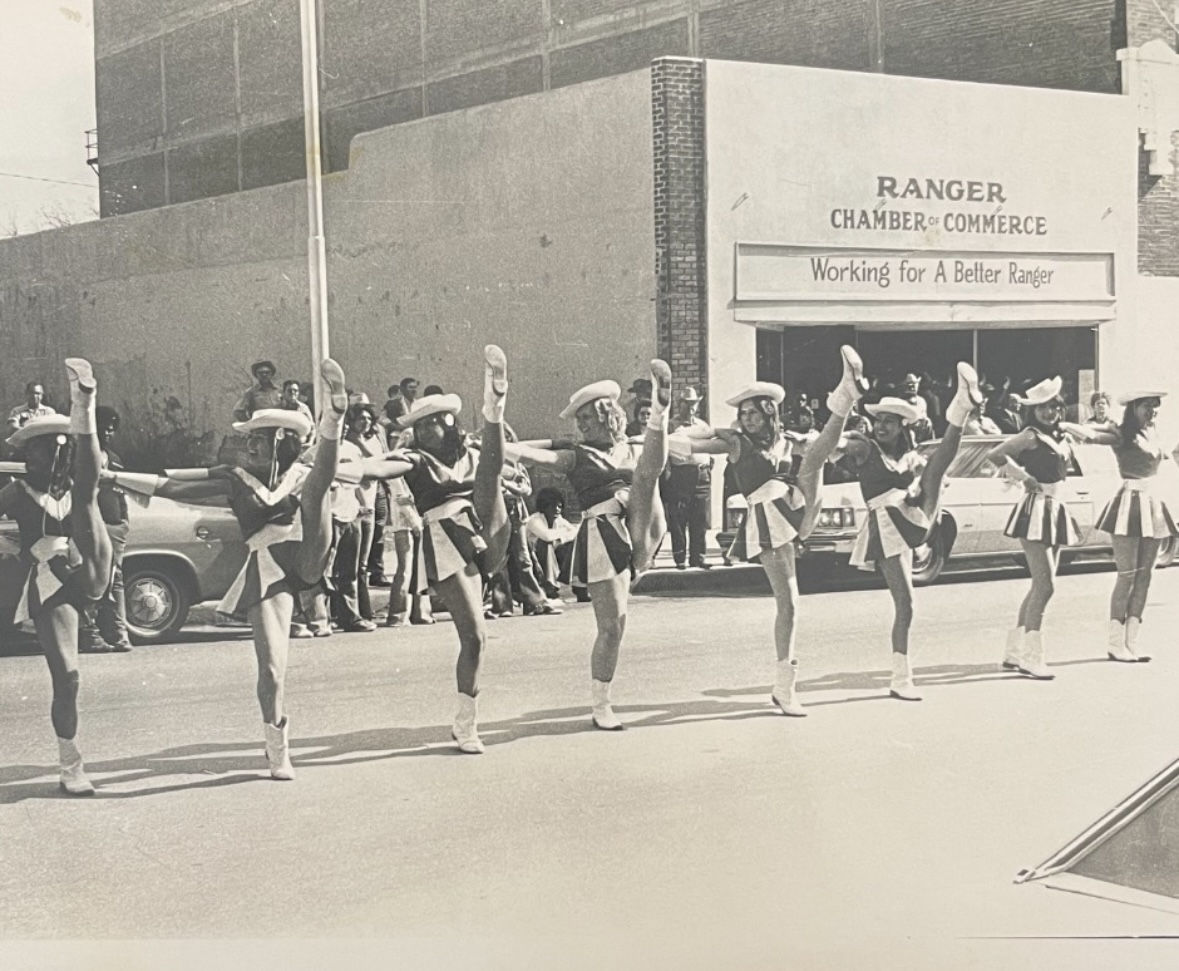
“Roaring Ranger” refers to a legendary oil gusher that struck in Ranger, Texas, in
October 1917. This event marked a pivotal moment in Texas and American oil history,
sparking the Ranger Oil Boom and influencing the early 20th-century U.S. energy industry.
From Farming to Boomtown:
Before the oil discovery, Ranger was a quiet farming community. Everything changed when the McCleskey No. 1 well—drilled by William Knox Gordon of the Texas Pacific Coal and Oil Company—hit oil at about 3,300 feet deep. The well erupted with a powerful flow of oil, earning the nickname “Roaring Ranger.”
Historical Significance:
-
The strike came as the U.S. entered World War I, providing critical fuel for the Allied war effort.
-
Ranger quickly became one of Texas’s most productive oil fields, producing millions of barrels in its early years.
-
The boom attracted thousands of workers and prospectors, rapidly transforming Ranger into a bustling boomtown with new infrastructure, housing, and businesses.
Legacy:
Though the boom slowed by the early 1920s, the Roaring Ranger oil strike helped cement Texas’s place as a major oil-producing state and contributed to the U.S.’s rise as a global oil power.
Establishment of Ranger College Founding:
Ranger College opened on September 13, 1926, shortly after the oil boom ended, starting with 30 students. It was initially governed by a College Council, including Board of Education members and local citizens, and was officially recognized by the State Department of Education on March 23, 1927.
Ranger College Milestones
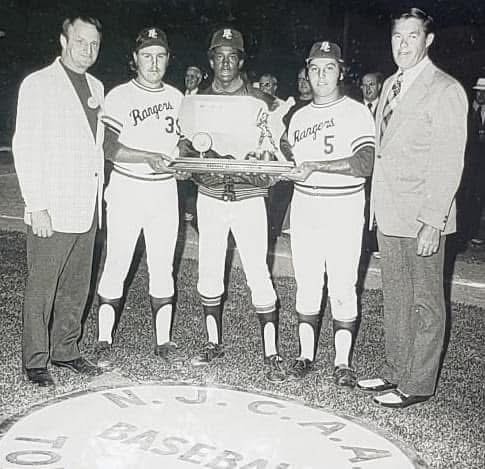
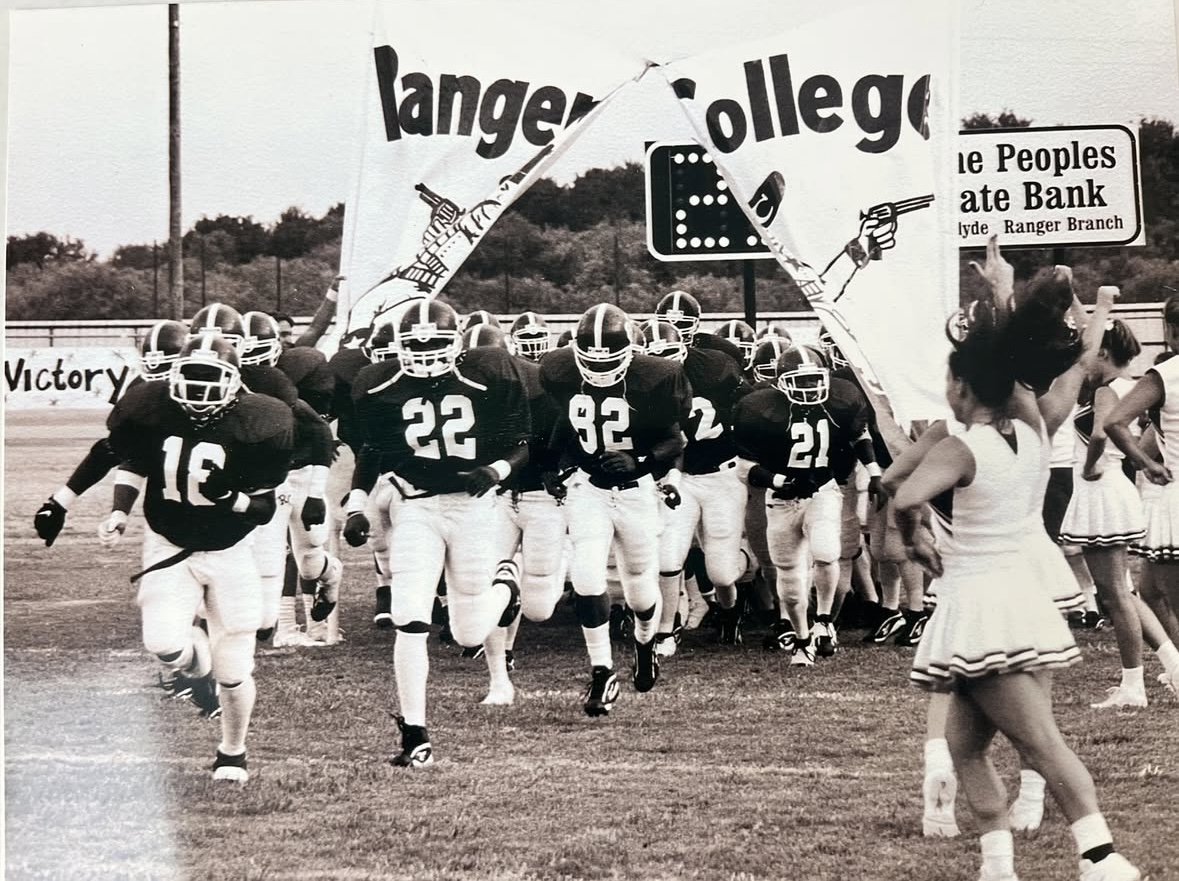
- 1925: Ranger Independent School District Board votes to establish a junior college.
- 1926: Ranger Junior College opens with 30 students.
- 1927: Official recognition by the State Department of Education.
- 1950: Ranger Junior College separates from the public school system to become independent.
- 1950s: Dr. G.C. Boswell becomes first president of the independent college.
- 1960s: Expansion of facilities, including administration, classrooms, science labs, fine arts, business buildings, gymnasium, library, cafeteria, and student union.
- 1970s: Curriculum expands to include vocational and technical training alongside transfer courses.
- 1978: Ranger College Football team wins NJCAA National Championship.
- 2005: Rodeo Team resumes competition after 25 years; wins National Intercollegiate Rodeo Association Men's Team title in 2007.
- 2013: Men's Soccer Team wins NJCAA Region V Championship and competes nationally.
- 2020:Women's Cross Country Team wins NJCAA National Championship
- 2025: Outdoor Track & Field qualifiers advance to the NJCAA National Championship, Men's Golf Team advances to the NJCAA National Championship Tournament